Articles & Perspectives2026-08-295 min read
Applied Microbiology of Waste Valorization: Converting Organic Biomass into Bio-Fertilizer and Used Oils into Biodiesel
An applied microbiological guide to thermophilic aerobic composting and used-oil biodiesel conversion—turning hotel and household organic streams into export-grade compost and biodiesel.
Sharaf Emam Salama
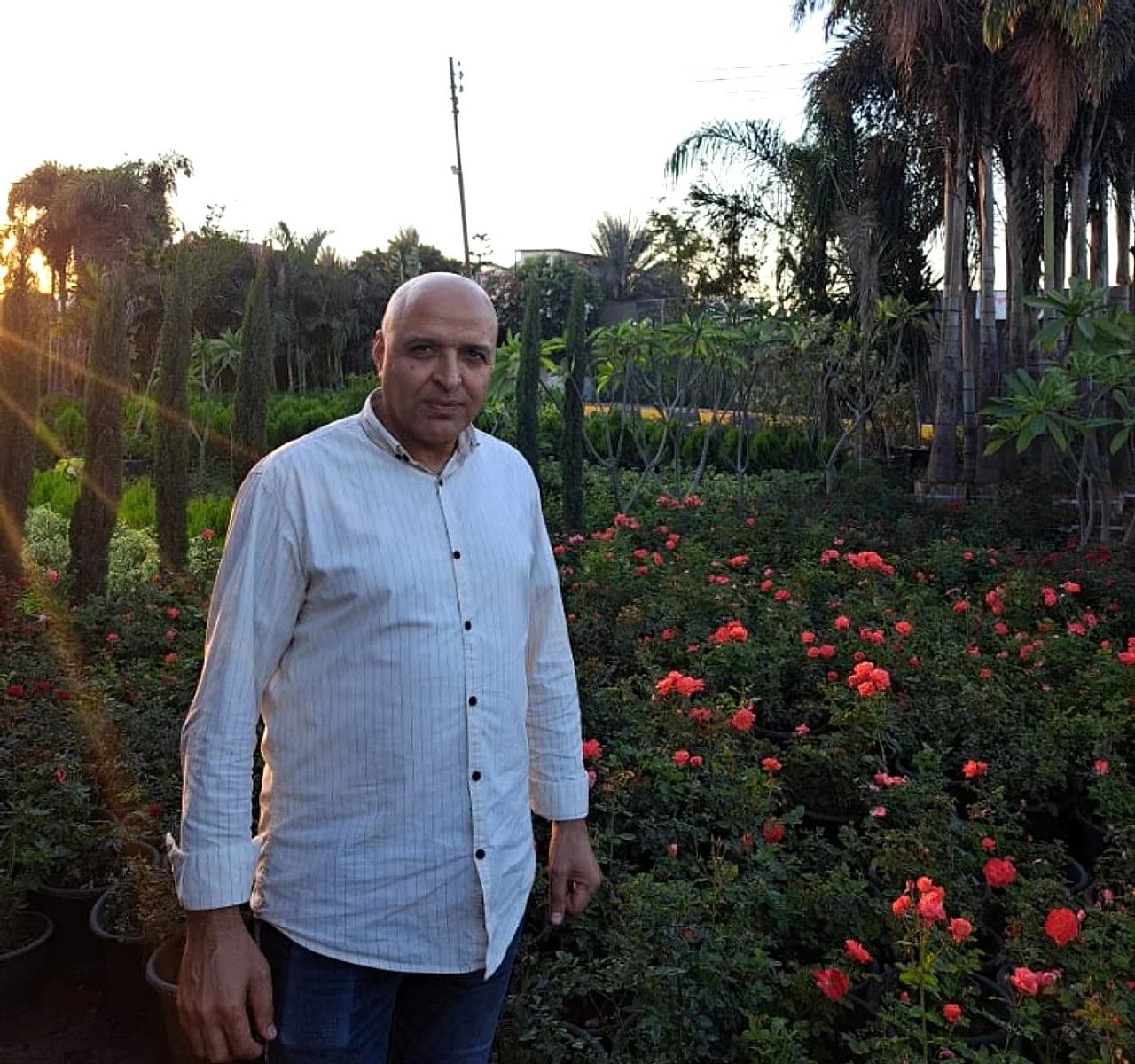
Organic food residues and spent culinary oils represent the most environmentally volatile components of urban waste—yet through applied microbiology and bioconversion, they offer extraordinary economic and ecological returns.
1. Microbiological Engineering of Humic Bio-Compost Following the 2009 shift in Greater Cairo’s organic waste handling, uncollected wet food waste became the primary driver of street odor, leachate, and methane emissions. Controlled **thermophilic aerobic composting** solves this at scale: - Balancing **Carbon-to-Nitrogen stoichiometry (25:1 to 30:1)** by blending nitrogen-rich food scraps with carbon-rich agricultural prunings. - Sustaining thermophilic sanitization temperatures (**55°C–65°C**) to eliminate pathogens and weed seeds naturally. - Producing stable humic and fulvic bio-fertilizer that boosts water retention by up to 30% in Egypt’s reclaimed desert soils and botanical nurseries.
2. Catalytic Transesterification of Used Cooking Oils Spent cooking oils from hotels, resorts, and food plants pose severe infrastructure and public-health hazards if dumped or illicitly recycled. Through filtration, esterification of free fatty acids, and **base-catalyzed transesterification**, waste triglycerides are cleanly converted into **Fatty Acid Methyl Esters (Biodiesel)** and pharmaceutical/industrial-grade glycerol—commanding strong domestic and European export demand.
Scientific & Public Record
Related Studies & Statements
2026-11-05